
“Would you like double or triple glazing?” is one of the first questions on a window survey, and a lot of homeowners have never given it much thought. Triple glazing sounds like the obvious upgrade, but it costs more, it is heavier, and in many homes the difference you would notice day to day is smaller than people expect.
Amber Home Improvements has been fitting windows across Norfolk, Suffolk and Cambridgeshire for 30 years, since 1996, and we fit both. We are happy to quote either, and we do not push one over the other. This guide sets out the real differences so you can decide what suits your home and budget.
Double or triple glazing: the short answer
Modern A+ rated double glazing, our standard specification, is a big step up from old double glazing or single glazing, and for many East Anglia homes it is all that is needed. Triple glazing tends to make the clearest sense on north-facing or exposed elevations, in rooms with a lot of glass, in homes that are already well insulated, or where you plan to stay for many years. If your loft, walls and draughts have not been dealt with, money spent there will usually go further than a third pane.
Heat loss: how much better is triple glazing?
The figure to look at is the U-value, which measures how much heat passes through the window. The lower the number, the less heat you lose. Our guide to U-values explains how it is worked out.
As a guide, the double glazed windows we fit can achieve whole-window U-values as low as around 1.2 W/m²K, and triple glazed versions as low as around 0.87 W/m²K, subject to specification. The exact figure depends on the frame, the glass, the gas fill, the spacer bars and the size and style of the window. For comparison, Building Regulations in England ask for replacement windows to reach around 1.4 W/m²K or better, and older double glazing from the 1980s and 1990s can be well above that.
So triple glazing can cut heat loss through the glass by roughly a quarter to a third compared with good modern double glazing. That is a real gain, but windows are only one part of a home’s heat loss, so the saving on your heating bill is usually modest. The biggest jump comes from replacing old or failed units in the first place, whichever you choose. A+ rated windows are our standard specification, with A rated also available, and we can talk through the difference on survey.
A warmer inner pane also means less condensation on the inside of the glass. Our post on condensation on windows explains why, and why a little condensation on the outside of new glazing is usually a good sign.
Weight, hinges and opening sashes
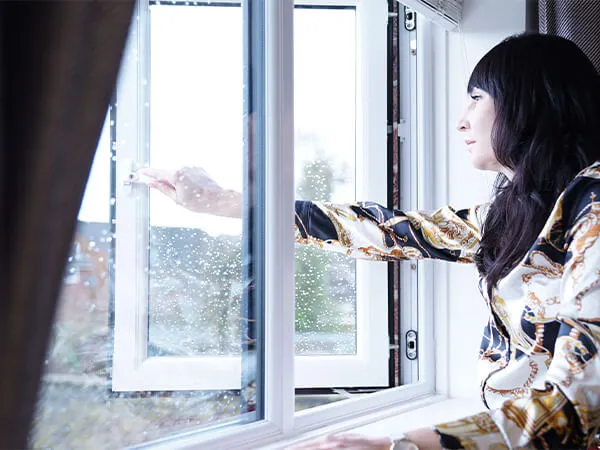
A triple glazed unit has an extra pane of glass, so it is noticeably heavier, often something like a third to a half heavier than the double glazed equivalent, depending on the glass thicknesses. That matters in a few ways:
- Hinges and friction stays have to be rated for the weight. On large opening sashes, a heavier-duty hinge may be needed, or the sash size may be limited.
- Frames need to take a deeper glazing unit, so not every frame style or sightline is available in triple glazing.
- Doors, such as French doors, carry more weight on their hinges, so the door set needs to be specified for it.
- Day to day, a large triple glazed sash can feel heavier to open and close.
None of this is a problem when the window is specified properly, but it is why we look at each opening on survey rather than simply swapping the glass. It is also worth thinking about if you prefer a slim look. Our guide to flush vs non-flush windows covers how frame style and sightlines differ.
Noise: homes near main roads
Triple glazing is often sold as the answer to road noise, and that is only partly true. An extra pane on its own may make little difference to traffic noise. What helps more is acoustic glass: panes of different thicknesses, or laminated acoustic glass, with cavities of different widths, so that different sound frequencies are not passed straight through.
For homes on busy routes such as the A11, A47 or A140, or near the Norwich ring road, a well-specified acoustic double glazed unit can sometimes do as well as, or better than, a standard triple glazed one. Triple glazing with acoustic glass can go further again. Good seals and a careful fit matter as much as the glass, because sound gets through any gap around the frame.
If noise is your main reason for new windows, tell us on survey which rooms and which roads, and we will suggest a glass specification for those windows rather than the whole house.
What does triple glazing cost compared with double glazing?
Triple glazing costs more than double glazing, and how much more depends on the size, style and glass. The clearest way to see the difference is one house priced both ways. All prices are gross, including VAT.
We recently quoted a rectory in Great Ellingham for white uPVC windows and doors throughout: 14 casement windows, one tilt and turn window, one bay window, a front door, a half-glazed garage door, a kitchen side door and an inline sliding patio door.
- Triple glazed windows: £24,557 inc VAT.
- Double glazed windows: £21,606 inc VAT.
On the same house, with the same windows and doors, triple glazing added £2,951, or about 14%. That figure is for this job only. On another home the gap could be larger or smaller, depending on the number and size of windows and the glass chosen.
Every Amber quote is a fixed price including VAT, given after a free home survey, and we are happy to price both double and triple glazing side by side so you can see the difference for your own home. You can see more examples on our uPVC windows page.
When triple glazing isn’t worth it
We would usually suggest A+ rated double glazing, and spending the difference elsewhere, if:
- you are likely to move in the next few years, as the extra cost may take a long time to pay back through heating savings;
- the loft, walls or floors are poorly insulated, or the house is draughty, because heat will escape there first;
- the windows are small, or face south and get plenty of sun;
- you want slim frames, a heritage look or very large opening sashes where the extra weight is awkward;
- your main concern is road noise, where acoustic double glazing may do the job for less.
Triple glazing is more likely to be worth it on exposed or north-facing elevations, in rooms with large areas of glass, in well-insulated or newly renovated homes, or where you plan to stay long term. Some homeowners mix the two, with triple glazing on the coldest or noisiest side of the house and double glazing elsewhere.
Whichever you choose, Amber is a GGF member, our windows are A+ rated as standard, with A rated also available, and they are backed by our 20-Year Product Guarantee. Browse our uPVC windows, the full windows range, or our replacement windows in Norwich page.
Double or triple glazing: frequently asked questions
Is triple glazing better than double glazing?
Triple glazing keeps more heat in, with whole-window U-values as low as around 0.87 W/m²K compared with around 1.2 W/m²K for good double glazing, subject to specification. It is heavier and costs more, though, so modern A+ rated double glazing is often the better value for many homes.
How much more does triple glazing cost?
It depends on the size, style and glass, but as a real example, we quoted a rectory in Great Ellingham both ways for 16 white uPVC windows and 4 doors. Triple glazing was £24,557 inc VAT and double glazing was £21,606 inc VAT, a difference of £2,951, or about 14%. We can price both options side by side after a free survey.
Will triple glazing cut my heating bills?
It can reduce heat loss through the glass by roughly a quarter to a third compared with good modern double glazing, but windows are only one part of a home’s heat loss, so the saving on bills is usually modest. Replacing old or failed glazing makes the biggest difference.
Is triple glazing better for road noise?
Not always. An extra pane alone may make little difference to traffic noise. Acoustic glass, with panes of different thicknesses and cavities of different widths, helps more. Acoustic double glazing can sometimes match standard triple glazing.
Is triple glazing too heavy for my windows?
Triple glazed units are noticeably heavier, so hinges, stays and frames must be rated for the weight, and some large opening sashes or slim frame styles may not suit it. We check each opening on survey.
When is triple glazing not worth it?
It is often not worth the extra cost if you plan to move soon, if your loft, walls or draughts have not been dealt with, if the windows are small or south facing, or if you want slim or heritage frames. In those cases A+ rated double glazing is usually the better choice.
Can I have triple glazing on some windows and double glazing on others?
Yes. Some homeowners choose triple glazing on the coldest or noisiest side of the house and double glazing elsewhere. We can quote it that way after a free home survey.
Not sure which is right for your home? Book a free, no-obligation home survey and we will price double and triple glazing side by side, call 01603 672638, or visit our Norwich showroom at Unit 52, Hellesdon Park Road, NR6 5DR, where you can see and feel the difference.