Flush Casement Windows
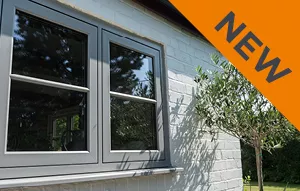
Timber-look styling with modern uPVC performance: the opening sashes sit level with the frame, like a traditional timber casement.
Timber-look styling with modern uPVC performance: the opening sashes sit level with the frame, like a traditional timber casement.
A flush casement window is one where the opening sash closes level with the outer frame, so the whole window has a flat face. That is how traditional timber casements were made by joiners for centuries.
Most modern uPVC windows are “lipped” or stormproof casements: the opening sash overlaps the frame and sits proud of it when closed. It’s practical, but it gives a deeper, stepped look that you rarely see on older houses.
Our flush casement windows keep that flat, timber-like face but are made in uPVC with modern double glazing, multi-point locking and a foiled or coloured finish that doesn’t need painting.

Flush casements suit cottages, farmhouses and character homes, and they are also a good choice if a newer home could do with some traditional charm. If your home is listed or in a conservation area, read the guidance further down this page first.


Our clean-finish weld option leaves a neater, less visible joint at each corner, so your windows read more like traditional joinery up close.
For the most authentic look, fully mechanically jointed corners are also available as an option.
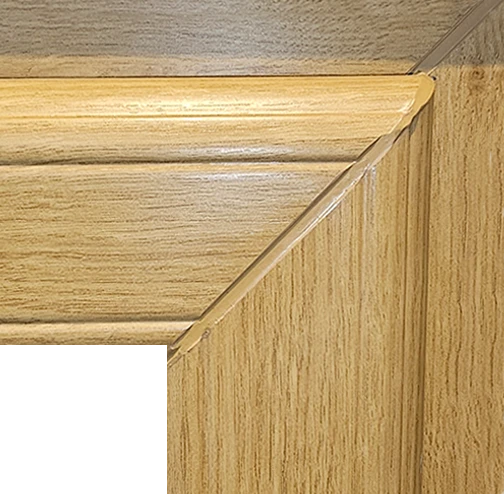
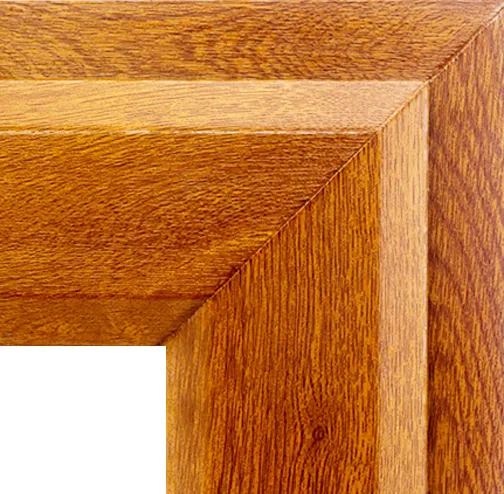
Our flush casement windows combine the look of a traditional timber casement with the features you would expect from a modern uPVC window.
Take a look at each of the hotspots opposite to find out more about how they are made. Our flush casement windows are supplied with a 20-year guarantee.

Our flush casement windows combine a traditional timber-look flush appearance with modern uPVC thermal, security and acoustic performance. Exact figures depend on the glazing, sizes and hardware chosen, and we’ll confirm the specification for your windows at survey.
Figures are the best published results for the system in tested configurations; your windows’ performance depends on the final specification.


The colour, glazing and hardware you choose make a big difference to the finished look of your windows. Take your time over each option, and we’ll bring samples to your survey so you can see them against your home.
Several of our finishes are inspired by the colours traditionally painted onto timber flush casement windows. Choose from a range of traditional colours and woodgrain finishes, examples of which are shown below, or opt for a dual-colour window with one colour outside and another inside. Colours on screen are a guide only; we’ll bring samples to your survey.
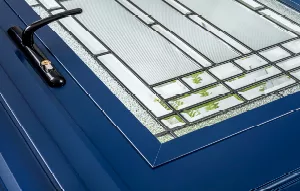
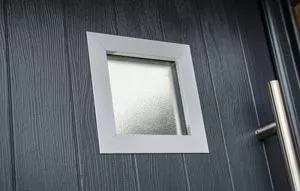
Choose from clear, obscure and the decorative textured glass patterns shown below, with Georgian or astragal bars if you want a traditional multi-pane look.
When you finalise your new windows, your window consultant will take you through our hardware range: handles, dummy stays and window locks in several finishes, chosen to suit the look of a traditional flush casement and to work smoothly every day.
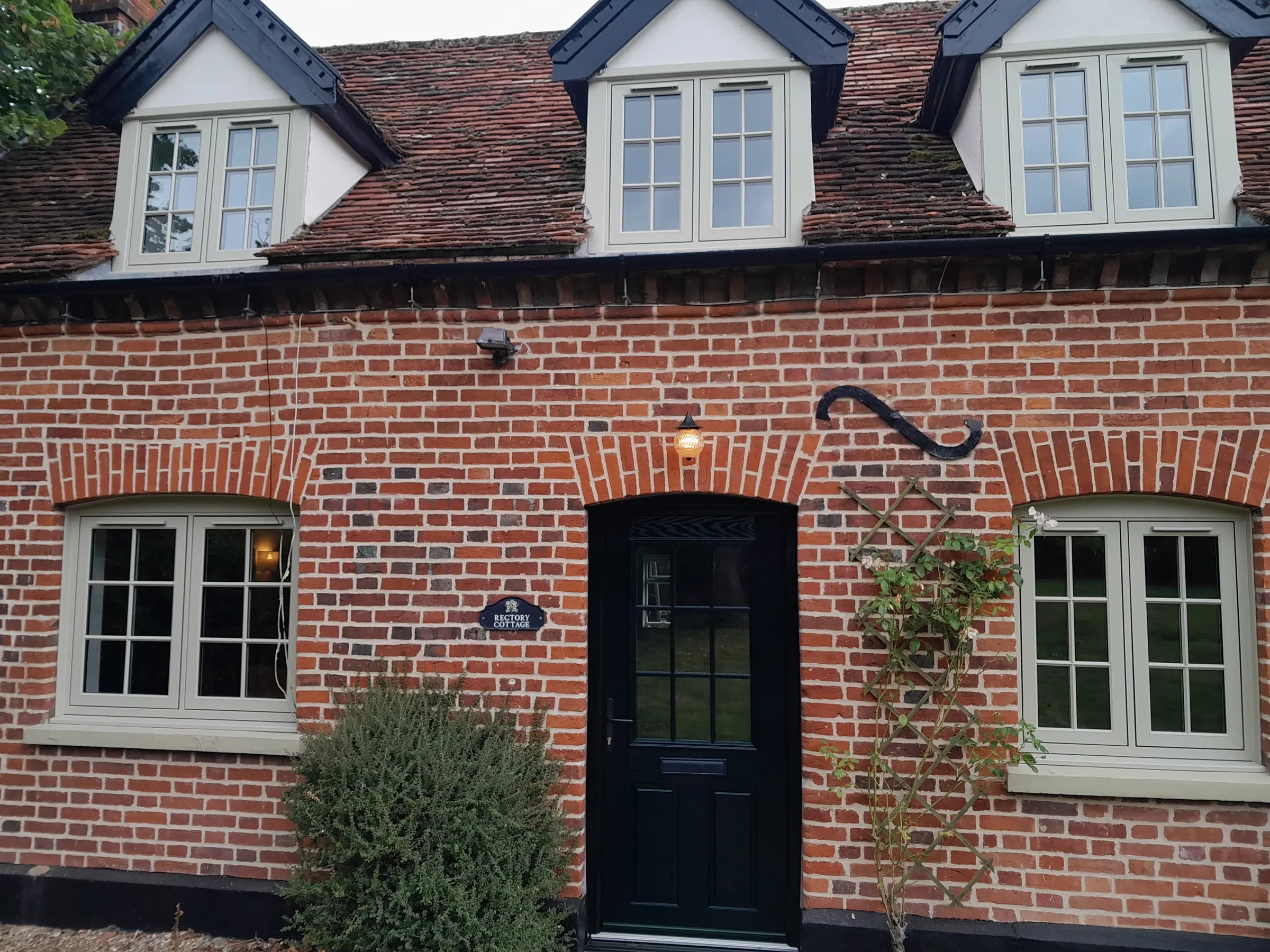
The owners replaced tired sage-green timber casements with olive grey timber-look flush casements with Georgian bars, plus a black composite front door, keeping the cottage character without the paint cycle.
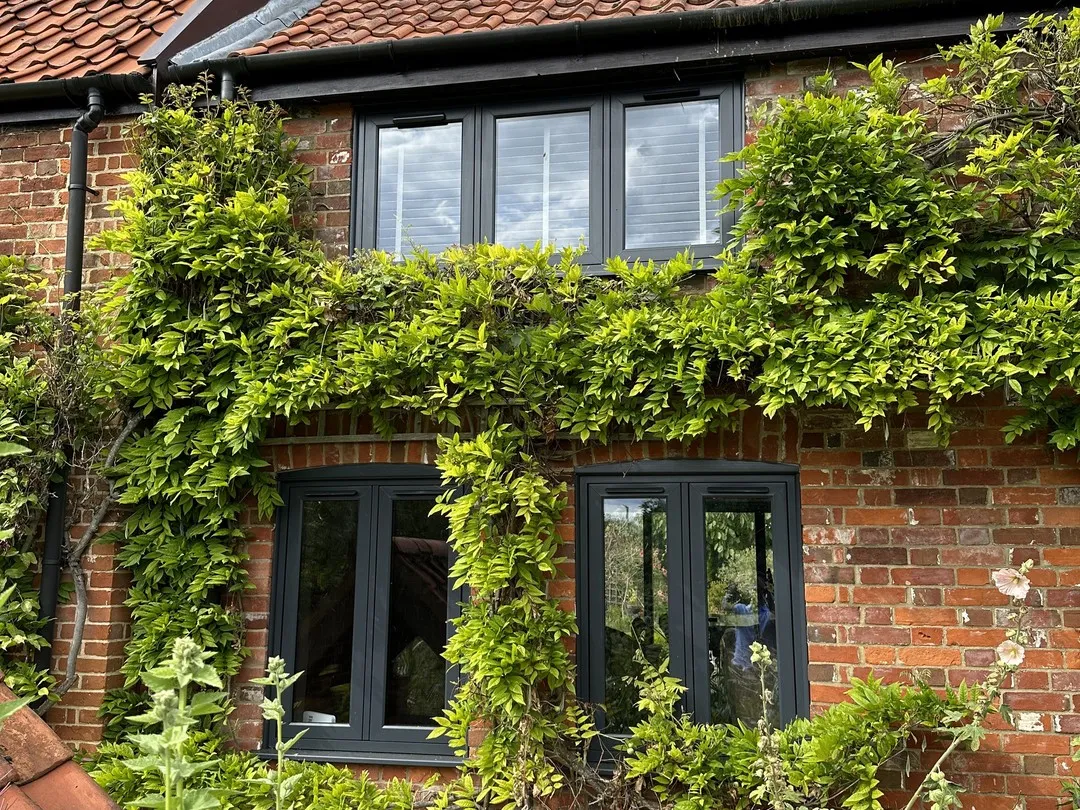
Anthracite grey flush casement windows fitted to a red-brick and flint farmhouse, with separate aluminium curtain walling and a triple-track sliding door forming part of the wider project.
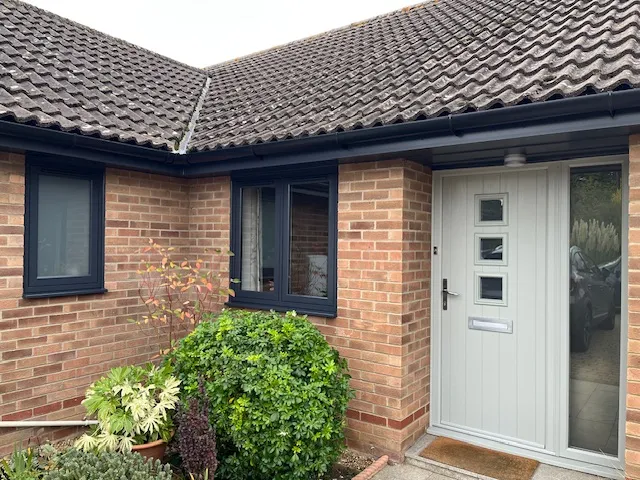
Anthracite grey flush casements, including a bow window, replacing white uPVC on a 1970s bungalow.
A flush external face is often much closer in appearance to old timber casements than a deep stormproof frame. That’s why flush windows are a popular choice for cottages, farmhouses, village homes and renovated rural properties, and they also suit some contemporary schemes where a cleaner, flatter line is wanted.
They can look particularly at home on North Norfolk cottages and village properties, where brick, flint and pantiles call for a simpler, flatter window, and on traditional homes across Norfolk and Suffolk. Choosing the right colour, bar layout and handles matters as much as the profile itself, and we’ll talk you through those options on survey. If you’re in the city, see our page on replacement windows in Norwich.
Suitability always depends on the individual property. If your home is listed or in a conservation area, see the guidance further down this page before you choose.
| Flush casement | Standard (lipped) casement | |
|---|---|---|
| Appearance | Sash sits level with frame; flat, timber-like face | Sash overlaps and sits proud of frame |
| Typically chosen for | Cottages, period and character homes, rural properties, some contemporary schemes | Most modern and post-war homes |
| Sightlines | Slim, balanced | Usually chunkier, stepped |
| Price | Usually more than an equivalent standard casement | Usually the lower-cost option |
| Finishes | Traditional colours and woodgrains are popular | Wide choice, white most common |
Both can be specified with modern double glazing and multi-point locking. For a fuller comparison, read our guide: Flush vs non-flush windows: which suits East Anglia homes?
Not sure which is right for you? Compare with our Sliding Sash Windows or browse our full windows range.
Flush windows are often chosen for older homes because they look closer to traditional timber casements.
In a conservation area, replacing windows on an ordinary house may be permitted development, but many areas have an Article 4 direction that removes those rights for front elevations or particular features. Always check with your local planning authority before you order.
We can supply drawings, colour and profile details to help with an application, but approval is the council’s decision.
Listed building consent is needed for almost any change to windows on a listed building, and many councils expect timber or like-for-like repair.
uPVC flush windows are often not accepted on listed properties.
If your home is listed, speak to your conservation officer first, and we’ll give you honest advice on whether our flush range is a realistic option.
The price of flush casement windows depends on the number and size of windows, the opening configuration, colour and finish (woodgrain and dual colour cost more than white), glazing options, bars and hardware, access, and any making good. Flush windows usually cost more than an equivalent standard uPVC casement because of the profile and the more traditional finish.
Every Amber quote is fixed and follows a free home survey.
Wymondham, NR18: the house next door
After seeing our Wymondham flush window project, the neighbours asked us to quote for similar flush windows on their own home:
Quoted price: £15,171 including VAT
A genuine recent quotation, shown as an example only. Your price will vary with dimensions, configuration, colour and finish, glazing, hardware, access and specification.
On a flush casement window, the opening sash closes level with the outer frame, giving a flat face like a traditional timber casement. On a standard (lipped or stormproof) casement, the sash overlaps the frame and sits proud of it when closed. Flush windows look more traditional; standard casements usually cost less.
Close up, a uPVC flush window is still uPVC, but the flat face, slim sightlines and woodgrain or traditional colour finishes make it look much closer to a painted or stained timber casement than a standard uPVC window. We’ll bring samples to your survey so you can judge for yourself.
Often, yes. Flush windows are a popular choice for cottages, farmhouses and period homes because their flat face is closer to traditional timber casements. Whether they are right for your home depends on the property, the elevation and any planning restrictions, so we’ll advise on survey.
Sometimes. It depends on your local planning authority and whether an Article 4 direction applies to your property. Check with the council before ordering. We can provide product drawings and details to support an application, but we can’t guarantee approval. Listed buildings need listed building consent, and uPVC is often not accepted.
Our flush windows come in a range of traditional colours and woodgrain finishes, and dual-colour options are available so the inside and outside can differ. We’ll bring samples to your survey so you can see them against your home.
They can be. Depending on the glass chosen, double and triple glazing can both achieve high Window Energy Ratings, and the system is tested to enhanced security standards, subject to the final window specification and hardware configuration. See the Performance & Energy Efficiency section above for the published figures. We’ll confirm the exact figures for your windows at survey.
Usually, yes. Flush casement windows generally cost more than equivalent standard uPVC casements because of the profile and the more traditional finish. As a genuine example, a recent quotation for the neighbours of our Wymondham flush window project, for 10 flush windows, a large four-part bay, flush French doors and a flush back door, came to £15,171 including VAT. Your price will depend on your own specification.
Yes. Flush windows can be made with Georgian or astragal bars for a multi-pane look, and with period-style hardware such as monkey-tail and teardrop handles in a choice of finishes.
You’re welcome to visit our Hellesdon showroom in Norwich to compare window styles, frame finishes, glazing and hardware, and talk to the team about whether flush windows suit your home. If you’d like to see a particular product, call us before you visit and we’ll let you know what’s on display.
Simply fill in your details for your free, no obligation quotation, and click "Get Quote"
Visit Amber’s Hellesdon showroom to compare window styles, frame finishes, glazing and detailing, and speak to the team about the right option for your property. You can also compare flush casements with our sliding sash windows or browse our full windows range.
Simply select the brochure(s) you would like to browse, fill in your details, and then click ‘Download’.